WELLBEING SUPPORT FOR MIDLIFE WOMENA calmer way to approach midlife
You are not broken. You’re overloaded — and things can feel lighter again.
When midlife starts to feel harder than it should
Midlife doesn’t always come with a clear turning point. Often, it just starts to feel harder, heavier.
Years of work, responsibility, emotional labour, and caring for others place ongoing demands on our bodies and nervous systems. We adapt as we go, rarely stopping to notice how much we’re carrying.
Over time, recovery slows. Stress tolerance drops. Sleep is often the first thing to change.
Maybe you feel more tired than you think you should be. Sleep doesn’t restore you the way it used to. You wonder whether it’s your hormones — or whether you’re simply not coping as well anymore.
I want you to know this: you’re not broken. Your capacity has simply been stretched too far.
What happens when stress becomes ongoing?
When stress becomes sustained — rather than occasional — it doesn’t just affect how we feel. It changes how the body and mind function.
The nervous system stays on high alert. Recovery becomes harder. Sleep is disrupted. Concentration, mood, and emotional regulation are affected. What once felt manageable can begin to feel overwhelming.
This is often what burnout looks like in midlife — not collapse, but chronic strain.
And because these changes are happening across systems, they rarely respond well to single solutions. More willpower doesn’t help. Neither does focusing on one symptom in isolation.
What’s usually needed instead is an approach that works with the whole system — body, mind, and context — and that understands how stress, hormonal change, sleep disruption, and life demands interact over time.

HELLO, AND WELCOMEHi, I'm Youna
My work sits at the intersection of sleep, stress, midlife transition and positive ageing. I’m interested in what happens when women’s capacity is stretched over time, and how wellbeing can be restored without pressure, optimisation or self-blame.
Like many women, my own experience of midlife isn’t neat or finished. It hasn’t come with a single moment of clarity — just a growing sense that things feel harder than they used to.
Sleep isn’t as reliable. Recovery takes longer. Strategies that once worked don’t always land in the same way. I’m still in it — noticing, adjusting, and learning how to respond rather than push through.
What I keep coming back to, in myself and in my work, is that this isn’t a failure of discipline or resilience. It’s what happens when the body and nervous system have been carrying a lot, for a long time.
That understanding now shapes how I work.
Rather than focusing on fixing symptoms, I take a stress- and menopause-informed approach to midlife wellbeing. One that starts with rest, supports sleep, and makes space for creating boundaries, nourishing your body and mind, and establishing meaning and connection in your everyday life — because these are the conditions that allow wellbeing to return over time.
This work is not about pushing through or overhauling your entire life – It’s about creating enough steadiness for things to feel more manageable again.
MY PROGRAMS
Work with me

90-minute Spark Session
Ready to ignite positive change in your life? The Spark Session is your perfect starting point—a focused 90-minute coaching intensive designed to create clarity and momentum.

Midlife Glow Up
Are you ready to rediscover your radiance? Join my signature 6-month wellbeing transformation, where we use the CLEAR coaching method to take you from surviving to thriving.

ARTICLESFrom the blog
TESTIMONIALSPraise for Youna

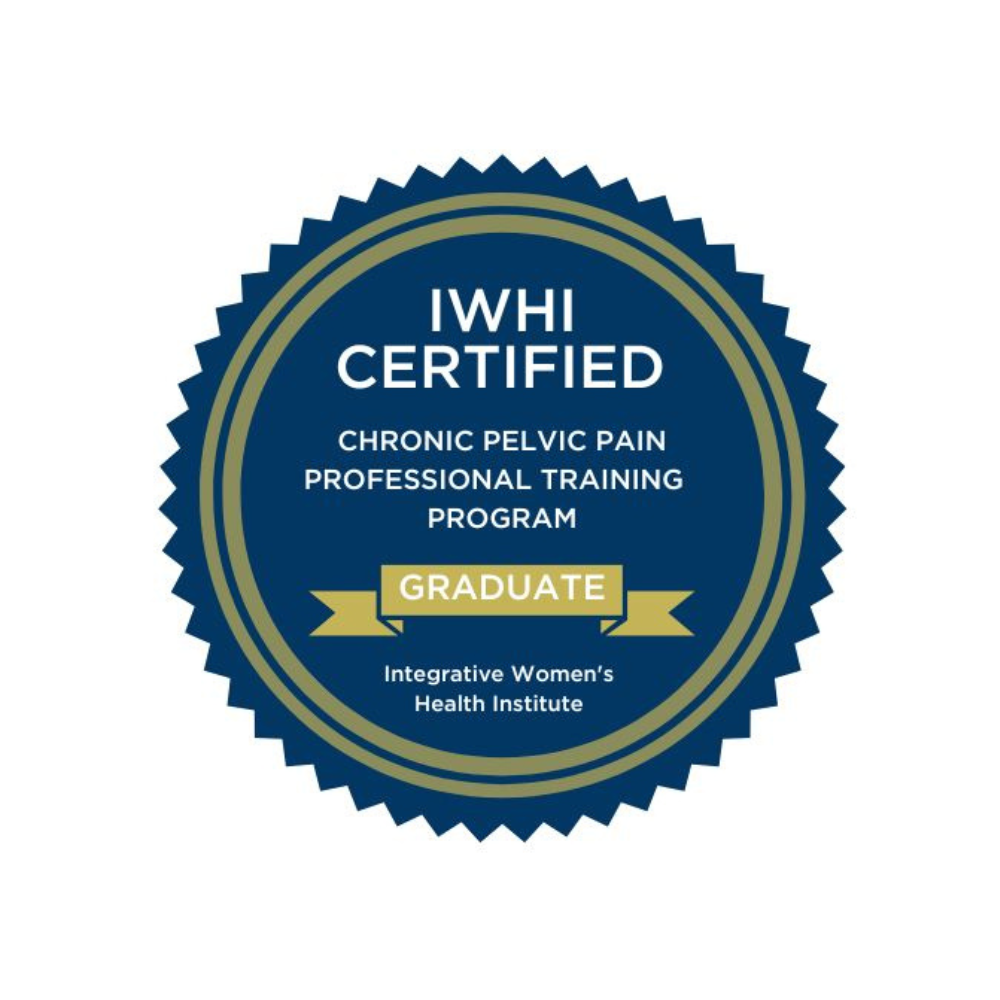
CERTIFICATIONS







Thrive Over 40 is located on the traditional lands of the Wurundjeri people of the Kulin nation.
We acknowledge and pay our respects to Elders past, present and future

©2023 Thrive Over 40